Showy Tick Trefoil (Desmodium canadense)

from $3.50

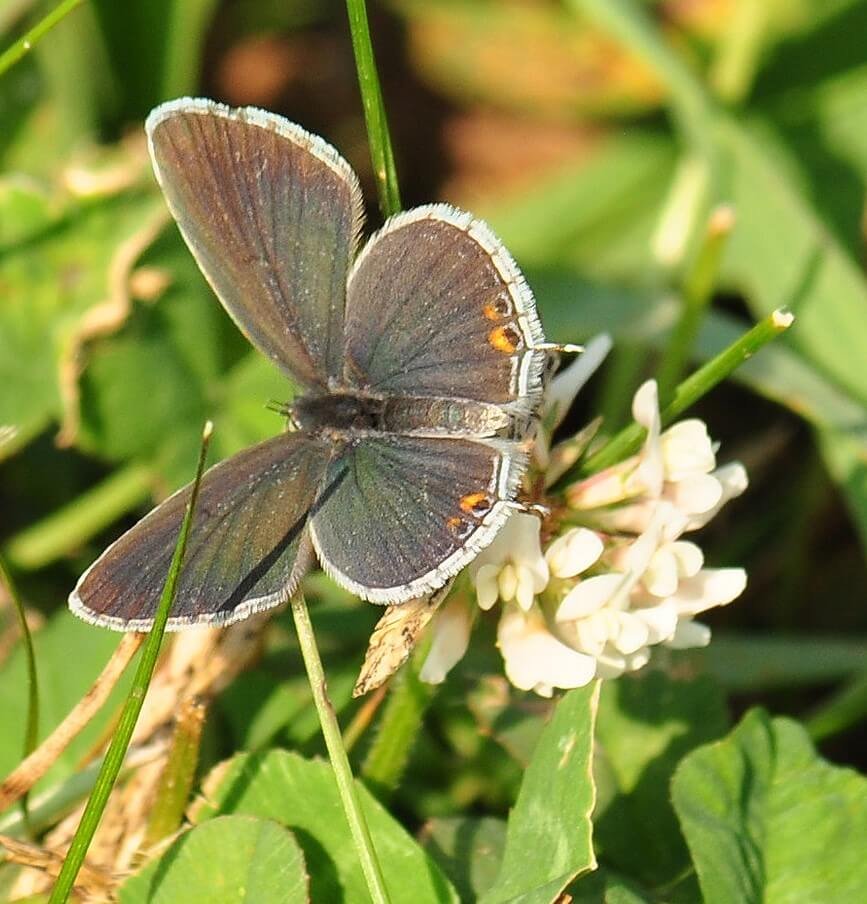
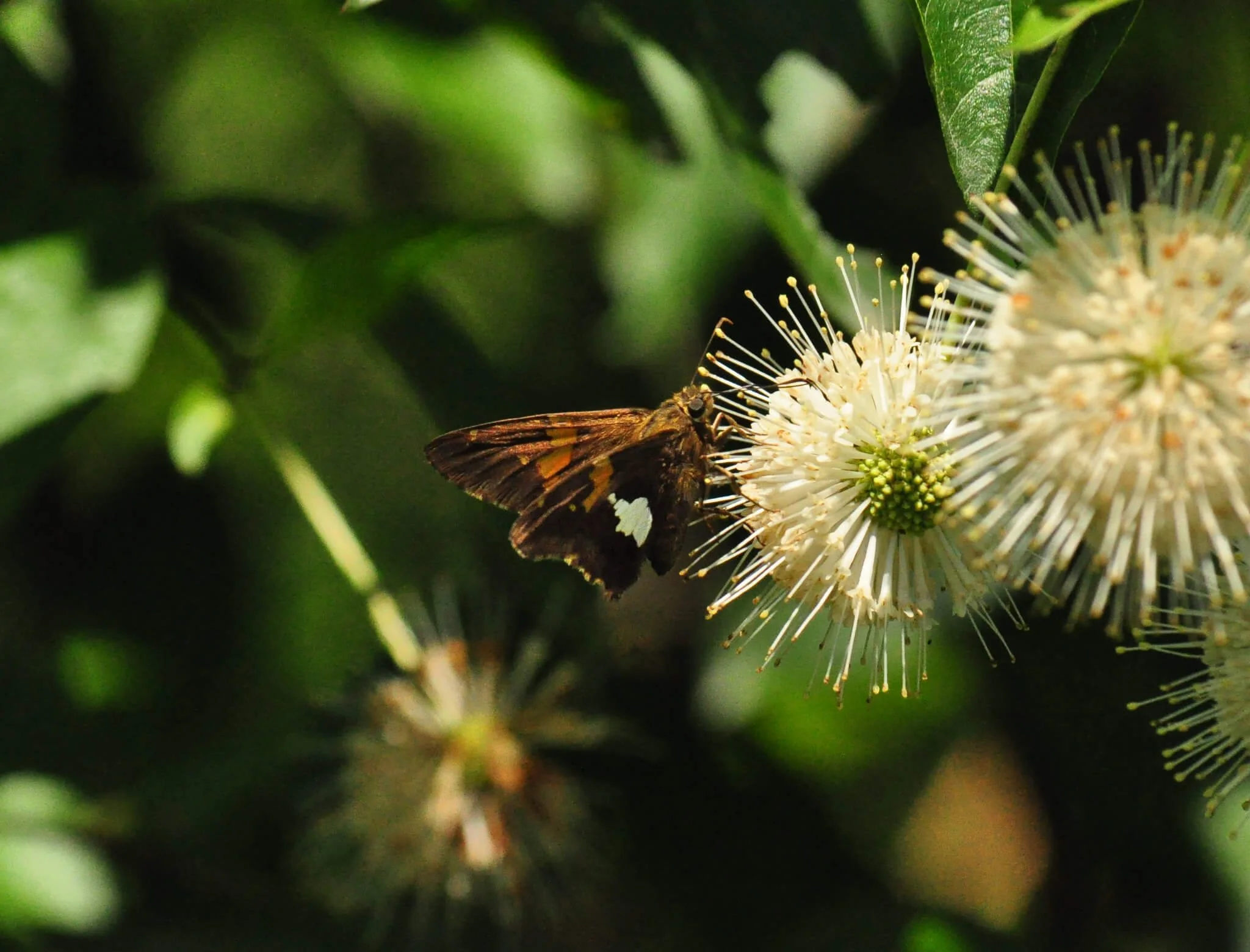
Showy Tick Trefoil is indeed showy and attracts many different kinds of insects, especially our native bees! It is the host plant to the Eastern-Tailed Blue, Grey Hairstreak, Silver-Spotted Skipper, and possibly a few more (illinoiswildflower.org). The pollen, seeds, and foliage of this species appeal to a number of insects, birds, and mammals. The seedpods can cling to the fur of mammals and the clothing of humans, causing this plant to spread into new areas.

Photo credit: (1) Peganum, (2-3) John Blair

Size:

Showy Tick Trefoil is indeed showy and attracts many different kinds of insects, especially our native bees! It is the host plant to the Eastern-Tailed Blue, Grey Hairstreak, Silver-Spotted Skipper, and possibly a few more (illinoiswildflower.org). The pollen, seeds, and foliage of this species appeal to a number of insects, birds, and mammals. The seedpods can cling to the fur of mammals and the clothing of humans, causing this plant to spread into new areas.

Photo credit: (1) Peganum, (2-3) John Blair

Life Cycle: Perennial

Sun Exposure: Full-Partial

Soil Moisture: Medium/wet-Medium/dry

Height: 5 feet

Plant Spacing: 3 feet

Bloom Time: July-August

Bloom Color: Purple

Advantages: Pollinator Favorite, Bird Favorite, Deer Resistant, Vigorous self-seeder

Host Plant: Eastern-Tailed Blue, Grey Hairstreak, Silver-Spotted Skipper, and possibly a few other species of butterflies and moths in our area (illinoiswildflower.org) (Natural History Museum Host Database)

Complementary Plants: Leadplant, Coreopsis, Butterfly weed, Culver’s root, Bottle gentian