Fringed Loosestrife (Lysimachia ciliata)

$5.00

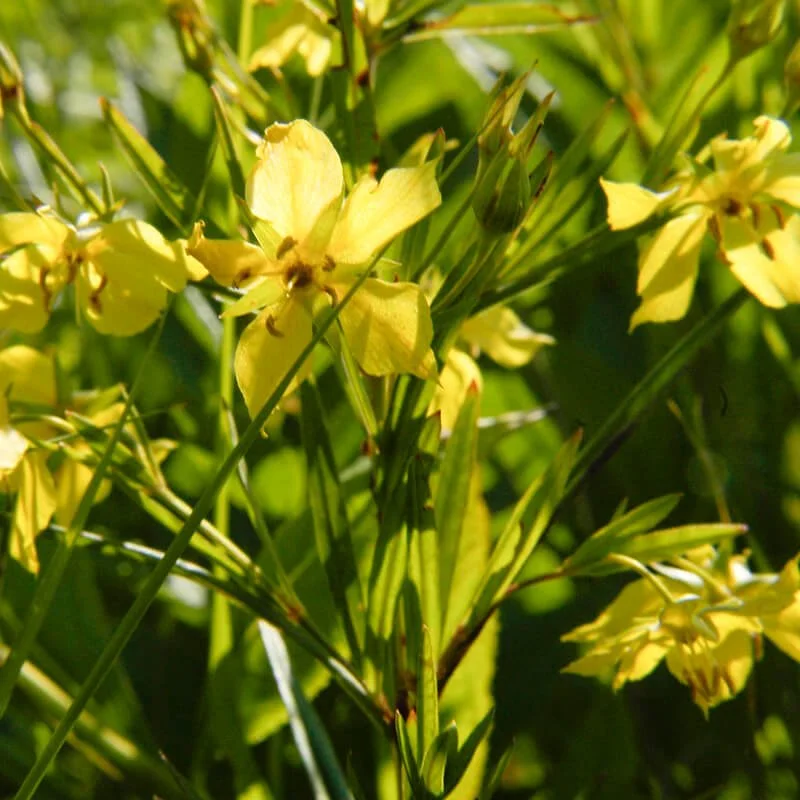
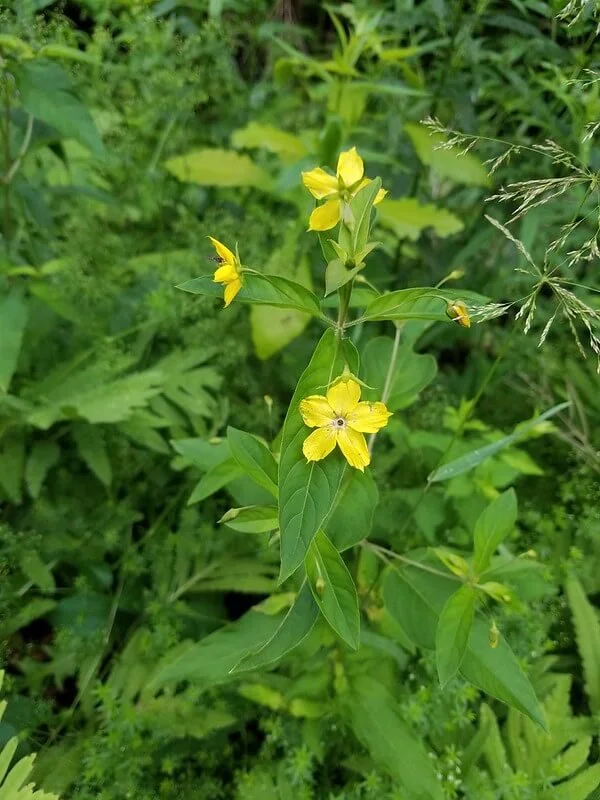
Fringed Loosestrife is an important plant because it is one of the few host plants for the specialist bees in the Macropis family. These bees are interesting because they collect the floral oil and pollen of the flowers in order to make pollen balls that they feed to their larvae. The flowers are visited by other native bees that collect pollen and it is the host plant to 5 species of butterflies and moths in our area (nwf.org), including the threatened Gorgone checkerspot (mnfi.anr.msu.edu). At present, no information is available about this plant's relationships to birds or vertebrate animals (illinoiswildflower.info) (Johnson and Colla, 2023). If it likes where it is, it will readily spread via rhizomes and by seed. Fringed Loosestrife is not related to the non-native, invasive Purple Loosestrife.

Photo credit: Kevin Kenny

Fringed Loosestrife is an important plant because it is one of the few host plants for the specialist bees in the Macropis family. These bees are interesting because they collect the floral oil and pollen of the flowers in order to make pollen balls that they feed to their larvae. The flowers are visited by other native bees that collect pollen and it is the host plant to 5 species of butterflies and moths in our area (nwf.org), including the threatened Gorgone checkerspot (mnfi.anr.msu.edu). At present, no information is available about this plant's relationships to birds or vertebrate animals (illinoiswildflower.info) (Johnson and Colla, 2023). If it likes where it is, it will readily spread via rhizomes and by seed. Fringed Loosestrife is not related to the non-native, invasive Purple Loosestrife.

Photo credit: Kevin Kenny

Life Cycle: Perennial

Sun Exposure: Full-Shade

Soil Moisture: Medium/wet – Medium

Height: 1-4 feet

Plant Spacing: 2-3 feet

Bloom Time: June-August

Bloom Color: Yellow

Advantages: Pollinator Favorite, Recommended but vigorous

Host Plant: Gorgone checkerspot and 4 other species of butterflies and moths use this as a caterpillar host plant in our area (nwf.org)

Specialist Bee: Macropis nuda, M. ciliata, M, patellata, and M. steironematis (Johnson and Colla, 2023)

Beneficial for Endangered or Threatened Species: Gorgone checkerspot (Chlosyne gorgone) (mnfi.anr.msu.edu)

Complementary Plants: Cardinal Flower, Blue Lobelia, Indian Hemp, Sneezeweed

Resource: Johnson, Lorraine, and Sheila Colla. A Northern Gardener’s Guide to Native Plants and Pollinators: Creating Habitat in the Northeast, Great Lakes, and Upper Midwest. Island Press, 2023)