Eastern Wahoo (Euonymus atropurpureus)

$15.00

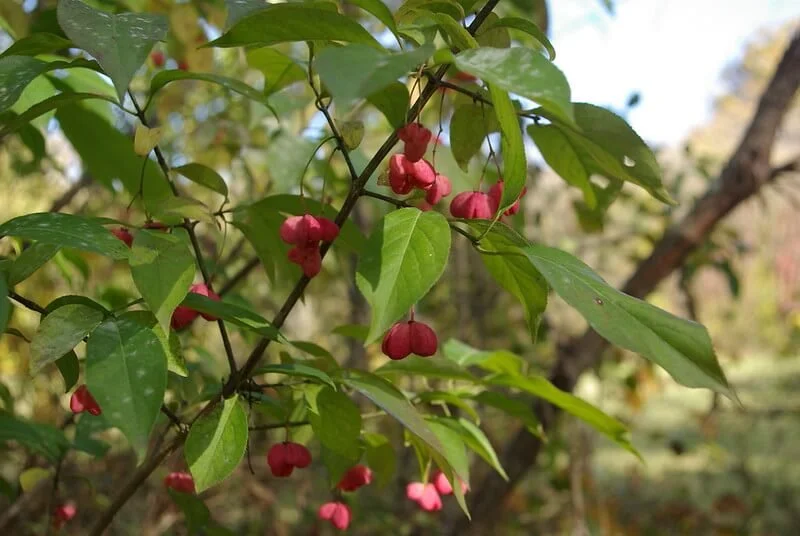
Eastern Wahoo is a large native shrub or small understory tree with clusters of unusual purple flowers that bloom in late spring. Its flowers attract a variety of small native bees, while the fruits are eaten, to a limited extent, by birds and other wildlife (illinoiswildflowers.info). It is the host plant to 15 different caterpillars and moths in our area (nwf.org). Eastern Wahoo is considered a species of special concern due to its relative rarity and habitat loss within the state. While you may not be preserving the plant that was once here, you are creating habitat for all of the species that may need it for survival (mnfi.anr.msu.edu). In autumn, the bright pink seed capsules split open to reveal scarlet-orange seeds, while the foliage turns shades of red and burgundy. It is an excellent native alternative to invasive burning bush. Mature plants may slowly form colonies through suckering. Deer browsing can occasionally be an issue on young plants (illinoiswildflowers.info).

Photo credit: Pam Morgan

Eastern Wahoo is a large native shrub or small understory tree with clusters of unusual purple flowers that bloom in late spring. Its flowers attract a variety of small native bees, while the fruits are eaten, to a limited extent, by birds and other wildlife (illinoiswildflowers.info). It is the host plant to 15 different caterpillars and moths in our area (nwf.org). Eastern Wahoo is considered a species of special concern due to its relative rarity and habitat loss within the state. While you may not be preserving the plant that was once here, you are creating habitat for all of the species that may need it for survival (mnfi.anr.msu.edu). In autumn, the bright pink seed capsules split open to reveal scarlet-orange seeds, while the foliage turns shades of red and burgundy. It is an excellent native alternative to invasive burning bush. Mature plants may slowly form colonies through suckering. Deer browsing can occasionally be an issue on young plants (illinoiswildflowers.info).

Photo credit: Pam Morgan

Life Cycle: Perennial

Sun Exposure: Partial shade--Shade

Soil Moisture: Medium/wet – Medium

Height: 12-20 feet

Plant Spacing: 8-10 feet

Bloom Time: June-July

Bloom Color: Red

Advantages: Caterpillar Favorite, Pollinator Favorite, Bird Favorite, Great Landscaping plant

Host Plant: 15 species of butterflies and moths use this as a caterpillar host plant in our area (nwf.org)

Species of Concern: State Status: Special Concern (mnfi.anr.msu.edu)