Eastern Prickly Pear Cactus (Opuntia cespitosa)

$9.00
Out of Stock

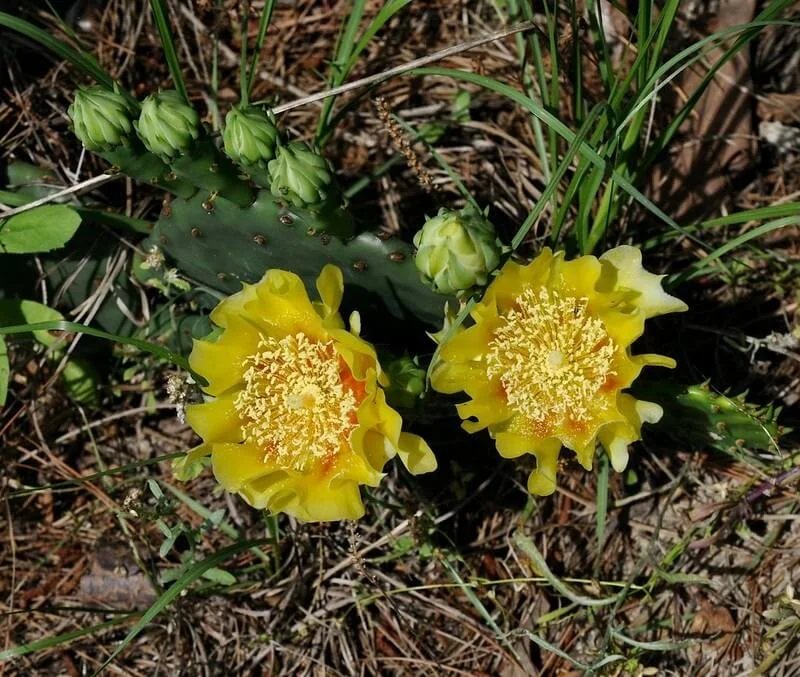
Eastern Prickly Pear Cactus produces striking yellow flowers that attract a wide diversity of native bees (illinoiswildflower.info). It serves as a host plant for five species of moths and is also the larval host for the pollen specialist bee Lithurgopsis littoralis (Johnson and Colla, 2023). The fruits and seeds are an occasional food source for wildlife, including Wild Turkeys, and are occasionally eaten by small mammals and possibly Box Turtles (illinoiswildflower.info).

Photo credit: Sonnia Hill

Get notified by email when this product is in stock.

Eastern Prickly Pear Cactus produces striking yellow flowers that attract a wide diversity of native bees (illinoiswildflower.info). It serves as a host plant for five species of moths and is also the larval host for the pollen specialist bee Lithurgopsis littoralis (Johnson and Colla, 2023). The fruits and seeds are an occasional food source for wildlife, including Wild Turkeys, and are occasionally eaten by small mammals and possibly Box Turtles (illinoiswildflower.info).

Photo credit: Sonnia Hill

Life Cycle: Perennial

Sun Exposure: Full-Partial

Soil Moisture: Dry

Height: 6-12 inches

Plant Spacing: 6-8 inches

Bloom Time: June-July

Bloom Color: Yellow

Advantages: Pollinator Favorite, Deer Resistant, Great Landscaping plant.

Host Plant: 5 species of butterflies and moths use this as a caterpillar host plant in our area (illinoiswildflower.info)

Specialist Bee: Lithurgopsis littoralis (Johnson and Colla, 2023)

Resource: Johnson, Lorraine, and Sheila Colla. A Northern Gardener’s Guide to Native Plants and Pollinators: Creating Habitat in the Northeast, Great Lakes, and Upper Midwest. Island Press, 2023