Cockspur Hawthorn (Crataegus crus-galli)

$15.00
Out of Stock

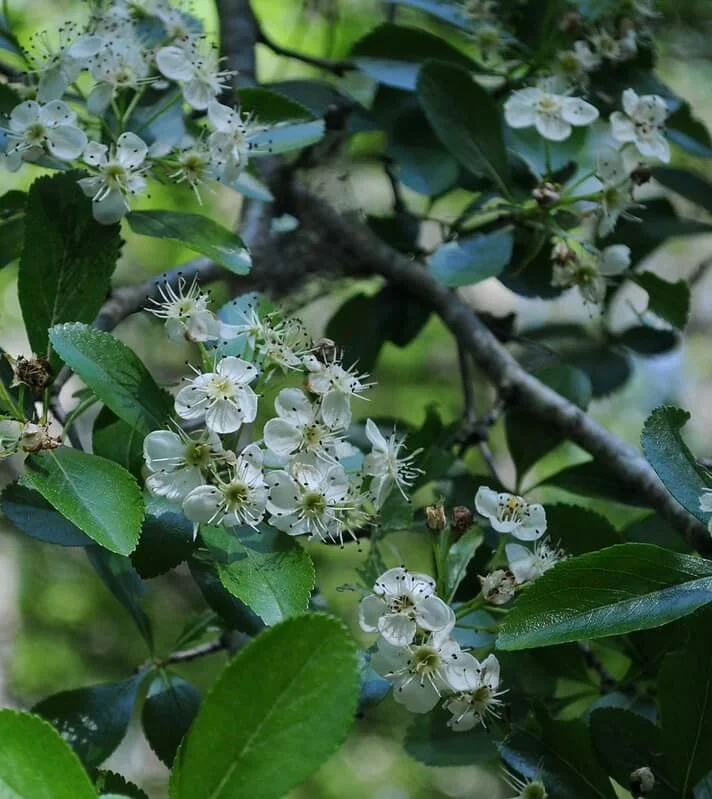
Cockspur Hawthorn is one of those wild life rockstars. This small tree, with its prolific clusters of white, unpleasant-smelling flowers, attracts an incredible amount of insects, especially our native bees and butterflies (illinoiswildflower.info). It is the host plant to the Hummingbird Clearwing, Red-Spotted Purple, Eastern Tiger Swallowtail, and 157 other species of butterflies and moths in our area (nwf.org), including the threatened Quiet underwing and Northern hairstreak (mnfi.anr.msu.edu). Many birds and small mammals use Cockspur Hawthorn’s fruits as a source of food, see the Bird Table for a more complete list of these bird species (illinoiswildflower.info). Its densely branched and thorny structure provides ideal cover and nesting sites for many species of birds and small mammals. Keep in mind, the unpleasant scent and the long thorns do not make it an ideal plant for walkways and such, so bear that in mind when choosing your planting location.

Photo credit: Sonnia Hill

Get notified by email when this product is in stock.

Cockspur Hawthorn is one of those wild life rockstars. This small tree, with its prolific clusters of white, unpleasant-smelling flowers, attracts an incredible amount of insects, especially our native bees and butterflies (illinoiswildflower.info). It is the host plant to the Hummingbird Clearwing, Red-Spotted Purple, Eastern Tiger Swallowtail, and 157 other species of butterflies and moths in our area (nwf.org), including the threatened Quiet underwing and Northern hairstreak (mnfi.anr.msu.edu). Many birds and small mammals use Cockspur Hawthorn’s fruits as a source of food, see the Bird Table for a more complete list of these bird species (illinoiswildflower.info). Its densely branched and thorny structure provides ideal cover and nesting sites for many species of birds and small mammals. Keep in mind, the unpleasant scent and the long thorns do not make it an ideal plant for walkways and such, so bear that in mind when choosing your planting location.

Photo credit: Sonnia Hill

Life Cycle: Perennial

Sun Exposure: Full

Soil Moisture: Medium – Dry

Height: 10- 25 feet

Plant Spacing: 20-25 feet

Bloom Time: May

Bloom Color: White

Advantages: Caterpillar Favorite, Pollinator Favorite, Bird Favorite

Host Plant: Hummingbird Clearwing, Red-Spotted Purple, Eastern Tiger Swallowtail, and 157 other species of butterflies and moths use this as a caterpillar host plant in our area (nwf.org)

Beneficial for Endangered or Threatened Species: Quiet underwing (Catocala dulciola), Northern hairstreak (Fixsenia favonius Ontario) (mnfi.anr.msu.edu)