Bellwort (Uvularia grandiflora)

$5.00
Out of Stock

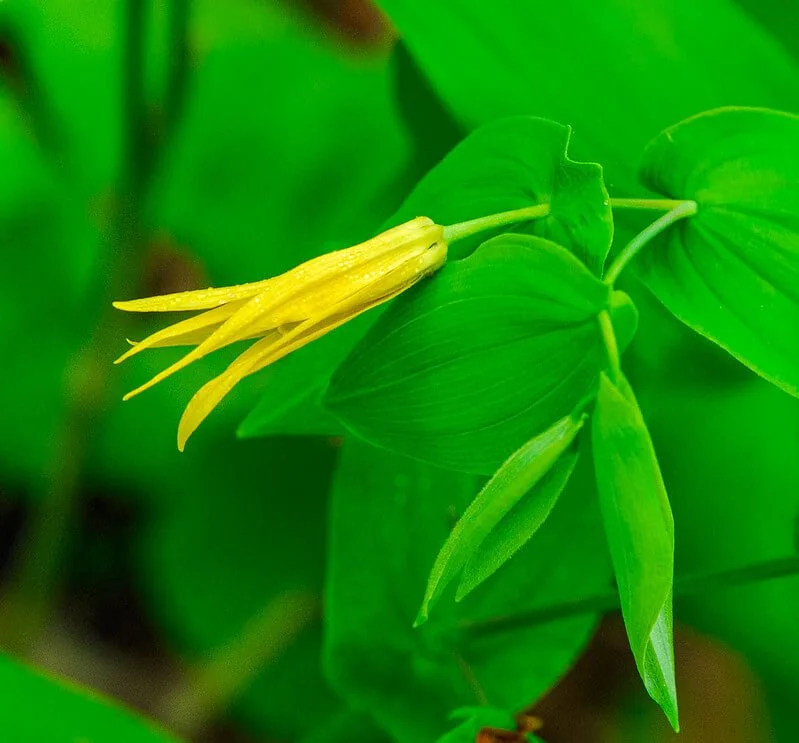
Bellwort’s unusual, early-blooming flowers attract a variety of native bees, including bumblebees, mason bees, Halictid bees, and Andrenid bees (illinoiswildflower.info). Like a lot of woodland species, Bellwort seeds are distributed by ants due to their fleshy appendages. It can spread relatively slowly by rhizomes, but deer and possibly other herbivores seem to like the foliage, so this plant can be challenging to grow in wooded areas with high deer pressure. I have tucked mine into cages that I already have around some of my trees.

Photo credit: Joshua Mayer

Get notified by email when this product is in stock.

Bellwort’s unusual, early-blooming flowers attract a variety of native bees, including bumblebees, mason bees, Halictid bees, and Andrenid bees (illinoiswildflower.info). Like a lot of woodland species, Bellwort seeds are distributed by ants due to their fleshy appendages. It can spread relatively slowly by rhizomes, but deer and possibly other herbivores seem to like the foliage, so this plant can be challenging to grow in wooded areas with high deer pressure. I have tucked mine into cages that I already have around some of my trees.

Photo credit: Joshua Mayer

Life Cycle: Perennial

Sun Exposure: Partial-Shade

Soil Moisture: Medium/wet – Med/dry

Height: 12 inches

Plant Spacing: 1-1.5 feet

Bloom Time: April-May

Bloom Color: Yellow

Advantages: Pollinator Favorite, Great Landscaping plant

Host Plant: 1 species of moth uses this as a caterpillar host plant in our area (nwf.org)

Specialist Bee: Andrena uvulariae (Johnson and Colla, 2023)

Good Companions: Sweet Cicely, Great White Trillium, Wild Geranium, Baneberry

Resource: Johnson, Lorraine, and Sheila Colla. A Northern Gardener’s Guide to Native Plants and Pollinators: Creating Habitat in the Northeast, Great Lakes, and Upper Midwest. Island Press, 2023