Image 1 of 1
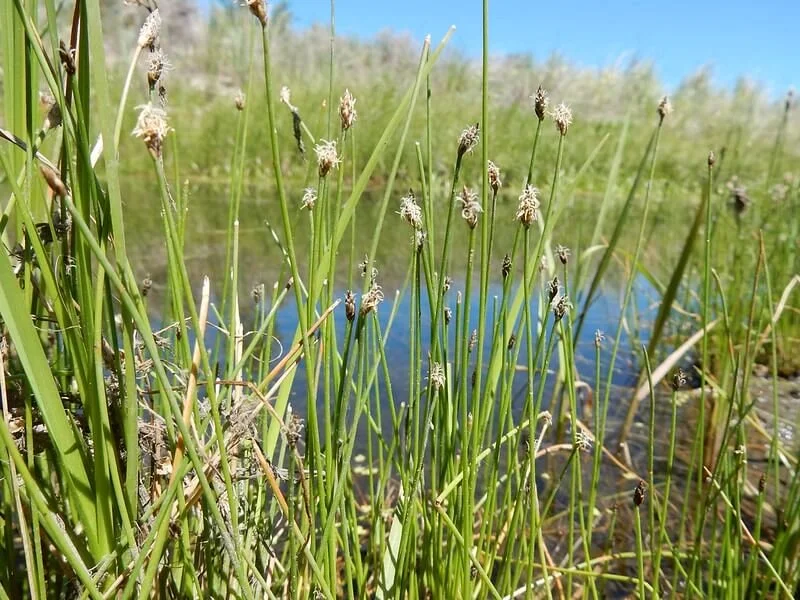
Common Spikerush (Eleocharis palustris)
Common Spikerush is a cool-season plant often used for stabilizing wetlands and preventing erosion. It is the host plant to 6 species of butterflies and moths in our area (nwf.org). Its dense roots help to filter pollutants, and provide crucial food and nesting cover for waterfowl, muskrats, and other wetland wildlife. It is a key pioneer plant in diverse aquatic habitats like wet prairies, vernal pools, and riverbanks (fs.usda.gov).
Photo credit: Matt Lavin
Common Spikerush is a cool-season plant often used for stabilizing wetlands and preventing erosion. It is the host plant to 6 species of butterflies and moths in our area (nwf.org). Its dense roots help to filter pollutants, and provide crucial food and nesting cover for waterfowl, muskrats, and other wetland wildlife. It is a key pioneer plant in diverse aquatic habitats like wet prairies, vernal pools, and riverbanks (fs.usda.gov).
Photo credit: Matt Lavin
Life Cycle: Perennial
Sun Exposure: Full
Soil Moisture: Wet-Medium/wet
Height: 1-3 feet
Plant Spacing: 1-1.5 feet
Bloom Time: May-August
Advantages: Rain Garden, Deer Resistant
Host Plant: 6 species of butterflies and moths use this as a caterpillar host plant in our area (nwf.org)